
Castles That Still Feel Alive
After years of visiting Czech castles and historical sites, I started writing down what the guidebooks leave out. The best times to go, which towers are worth climbing, and why some of the smaller fortresses are more interesting than the famous ones.
Why Czech castles are different
Most countries have castles. Few have as many as the Czech Republic, and fewer still have kept them in such varied states of preservation. You can visit a fully restored royal palace in the morning and walk through a romantic ruin by afternoon, both within an hour's drive of Prague.
What makes this country interesting for castle visitors is the sheer density. The Bohemian and Moravian landscapes are dotted with fortifications from the 13th century onward, each built for different reasons — royal prestige, border defence, noble ambition, or simple strategic necessity. Walking between them, you start to read the landscape differently.
I have been visiting these places for several years now, mostly on weekends from Prague. This site collects what I have learned: which sites justify the entry fee, how to avoid the worst crowds, and what context makes the stones make sense.
Featured Guides
Castles Worth the Journey
Wikimedia Commons
Most Visited
Karlstejn Castle
Built by Emperor Charles IV to safeguard the Bohemian crown jewels and holy relics, Karlstejn is the most recognisable castle in the Czech Republic. The approach from the village below is theatrical — the towers appear gradually as you climb the path, each reveal more impressive than the last.
Read the full guide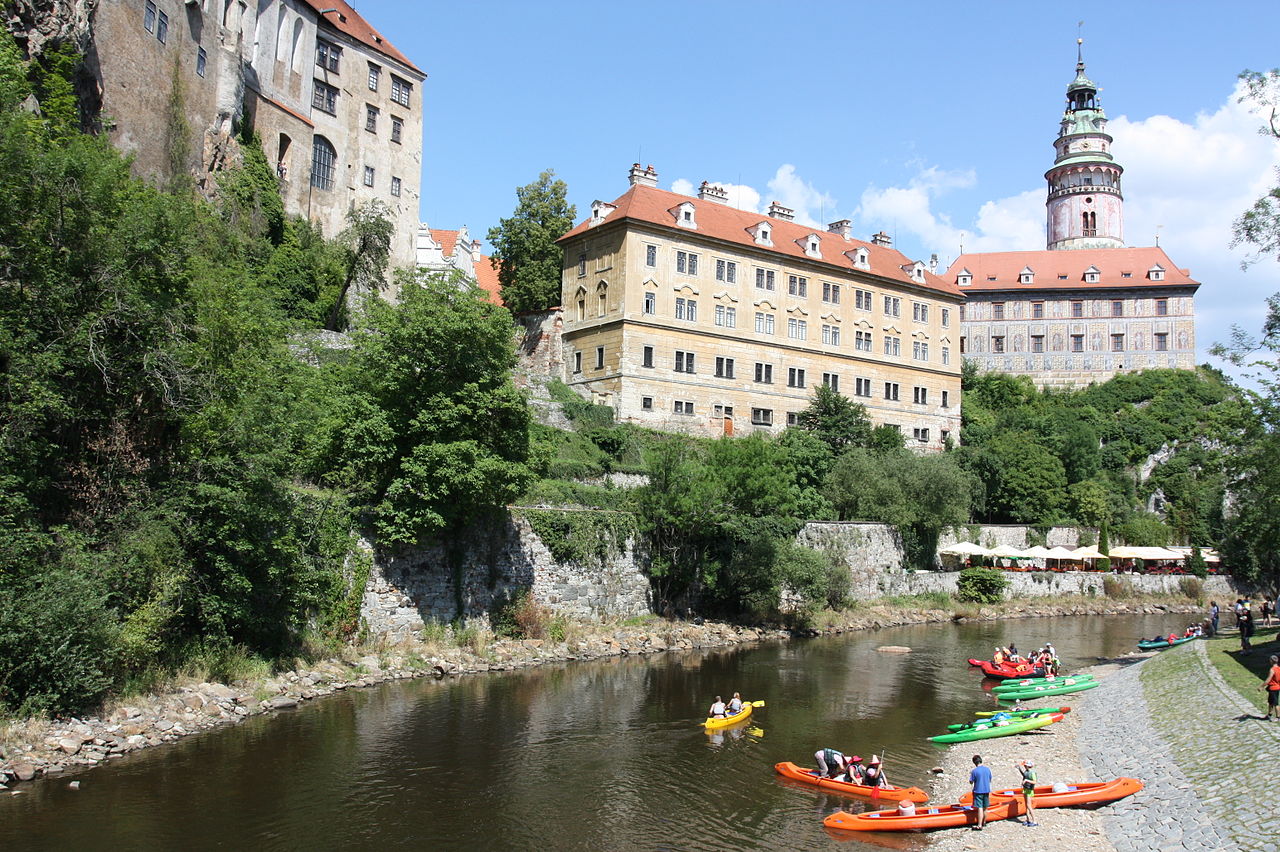 Wikimedia Commons
Cesky Krumlov
A UNESCO World Heritage site where the castle and town are inseparable. The second largest castle complex in the country, wrapped in a dramatic bend of the Vltava river.
Read the full guide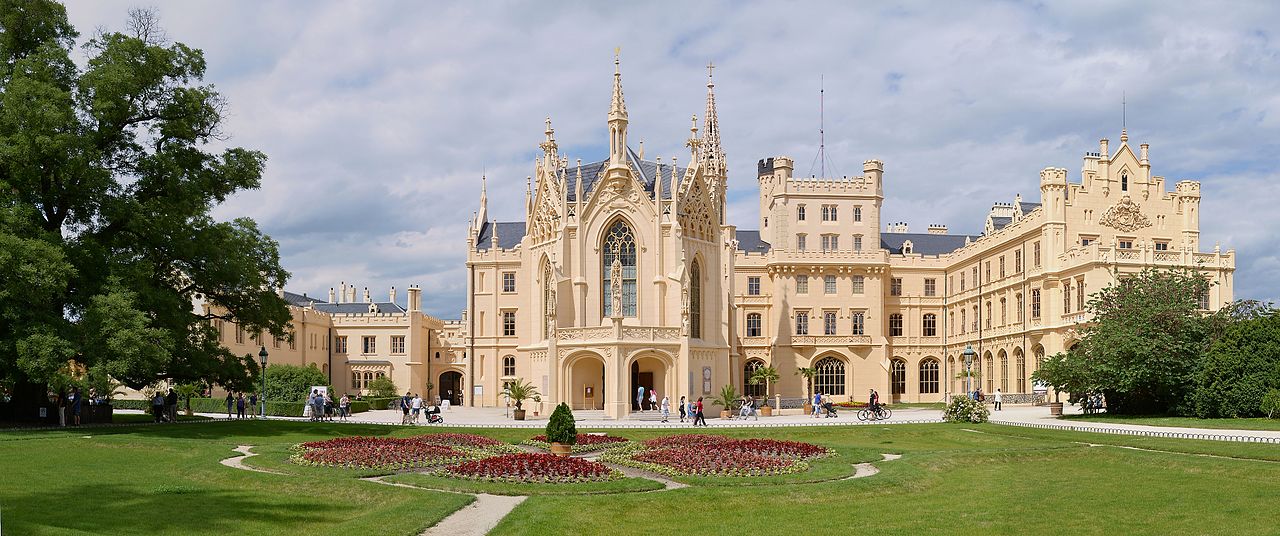 Wikimedia Commons
Lednice Chateau
A Neo-Gothic palace set within a vast English landscape park. Part of the UNESCO-listed Lednice-Valtice Cultural Landscape, one of the largest designed landscapes in Europe.
Read the full guidePractical Advice
Before You Visit
Timing Matters
The most popular Czech castles draw large crowds from June through August. Visiting in May, September or October gives you the same open sites with noticeably fewer people. Many castles also offer early morning tours before the main groups arrive.
Tours vs. Free Entry
Most Czech castles require a guided tour to access the interiors. Tour routes are numbered and cover different rooms — check which route includes what you actually want to see before buying tickets. Some areas are only accessible on the more expensive routes.
Getting There
Czech Railways connects Prague to most major castle towns. Karlstejn is 40 minutes by train. Cesky Krumlov requires a bus from Ceske Budejovice. Lednice is best reached by car or local bus from Brno. Check idos.cz for current schedules.